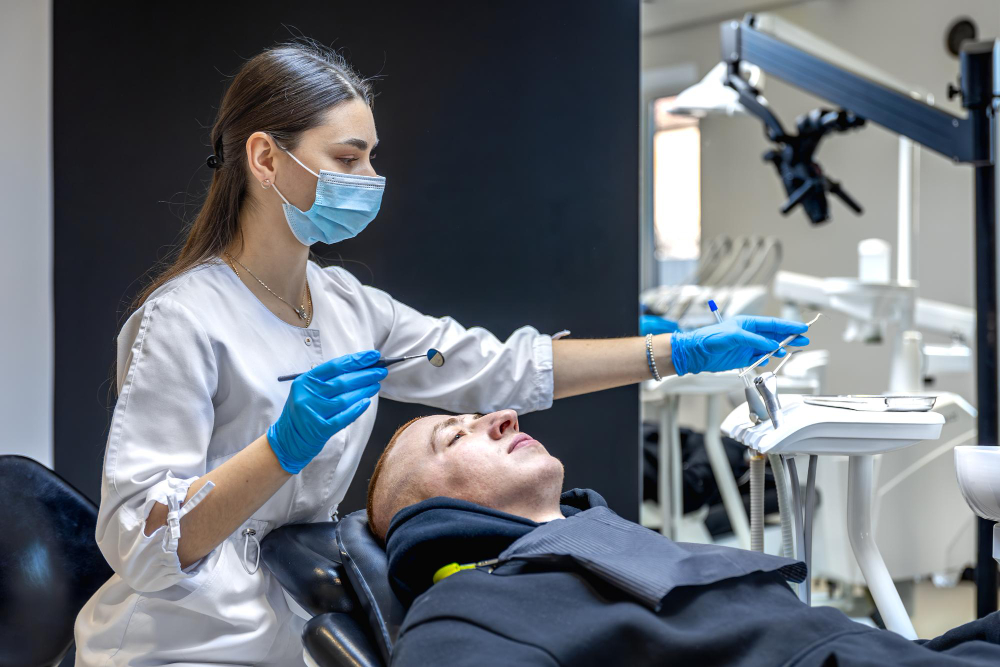
Introduction to Teeth Cleaning and Its Importance
Teeth cleaning is a simple way to keep your mouth healthy. Many people visit the dentist for professional teeth cleaning. This process removes plaque and tartar that brushing at home may miss. As a result, your teeth and gums stay healthy. According to the CDC, regular dental cleaning helps prevent gum disease and tooth decay. For this reason, dentists recommend cleaning every six months.
Common Reasons for Professional Teeth Cleaning
Many people choose professional teeth cleaning for several reasons. First, it helps remove stubborn stains. Second, it prevents gum disease. Third, it keeps your breath fresh. In addition, regular cleaning can spot early signs of dental problems. Here are some common reasons to schedule a dental cleaning:
Step-by-Step Breakdown of the Dental Cleaning Process
Understanding the dental cleaning process can ease your worries. Here is a step-by-step guide:
What to Expect Before, During, and After the Procedure
Before your appointment, you may be asked about your dental history. During the cleaning, you might feel some scraping or tickling, but it should not hurt. If you feel discomfort, let your dentist know. After the cleaning, your teeth may feel smooth and clean. Sometimes, your gums may feel a bit sensitive, but this usually goes away quickly. Most people can return to their normal routine right after the visit.
Benefits of Regular Teeth Cleaning
Regular teeth cleaning offers many benefits. Not only does it keep your smile bright, but it also helps prevent dental problems. For example, clean teeth lower your risk of cavities and gum disease. In addition, professional cleaning can help detect issues early. Here are some key benefits:
Tips for Maintaining Oral Hygiene Between Cleanings
Good oral hygiene at home is important. Between dental visits, you can keep your teeth healthy by following these tips:
By following these oral hygiene tips, you can help prevent dental problems and keep your smile bright.
Prevention of Dental Issues Through Routine Cleaning
Routine teeth cleaning is one of the best ways to prevent dental problems. For instance, regular cleanings remove plaque that can cause cavities and gum disease. In addition, your dentist can spot early signs of trouble. This means you can treat problems before they get worse. According to the WHO, good oral care lowers your risk of serious health issues. Therefore, make dental cleaning a regular part of your health routine.
Frequently Asked Questions About Teeth Cleaning
For more information or personalized teeth cleaning advice, consult a dental professional. Regular care keeps your smile healthy and bright.